The Fifth Name: How Pierrick Bouley Joined Volnay's Aristocracy in 2023
Burgundy watchers spent last winter working through Decanter's 2023 en primeur reports, and the Pommard and Volnay instalment, written by Charles Curtis MW, opened with a short list: five domaines, named as the top producers of the two appellations in 2023. Four are exactly who you would expect. Domaine de Courcel and Domaine de la Commaraine in Pommard; Domaine Marquis d'Angerville and Domaine Michel Lafarge in Volnay. Houses with a century or more of pedigree between them. The fifth name is the one worth stopping on: Domaine Pierrick Bouley.
Bouley is not an old name in the trade. Pierrick joined the family domaine in 2009 and took charge only in 2014. To find him ranked, barely a decade later, alongside d'Angerville and Lafarge, the twin poles of Volnay's aristocracy, is the kind of thing that does not happen often in a region where reputations are measured in generations. The story of his 2023s is really the story of how he got there.
A domaine coming of age
The estate was formerly Domaine R&P Bouley, after Pierrick's parents, Reyane and Pascal. Today it farms around nine hectares split across 41 parcels in Volnay and Pommard, the fragmented patchwork that is the reality of small-grower Burgundy. Under Pierrick it has been converting to organic and biodynamic farming, and 2023 is the first vintage the domaine has bottled as certified organic, a milestone that happens to coincide with the critics arriving in force.
Two choices in the vineyard explain much about the wines. Bouley has stopped hedging, the usual summer trim that keeps the canopy tidy. Instead the shoot tips are woven together at the top, a painstaking, labour-heavy technique known as tressage that avoids cutting the vine at all. The effect is smaller bunches, 50 to 80 grams each where they were once 120 to 150, which means lower yields and better concentration. In the cellar he destems the fruit, gives it a cold soak of about a week, ferments on native yeasts and extracts gently: pumping over once or twice a day and punching down only briefly at the end, to keep the tannins supple. The house style that results is exactly what people want from Volnay now, perfumed and silky and approachable young, without giving up structure.
2023 in the Cote de Beaune
2023 was a generous year for red Burgundy, and generosity was the trap. The vintage delivered big bunches and big berries; Chateau de Pommard averaged 49hl/ha, filling tanks to the point that some estates could not do the whole-cluster work they wanted. Heat pushed potential alcohol up, and at d'Angerville the pH ran as high as 3.7 after malolactic. In years like this the danger is soft, blowsy wines with blurred site character. Yet, as Curtis noted, the differences between climats came through with unusual clarity in 2023, and the wines that succeeded were made by growers who reined the yields in.
Bouley did exactly that. He held his crop to a moderate 35 to 38hl/ha through green harvesting and severe sorting, and waited on the fruit, picking between 11 and 23 September. The results, in Curtis's word, are delicious.
The wines, from the ground up
Nearly half of Bouley's fruit sits below Volnay, nearly half around Pommard, and the range reads as a ladder from village charm to premier cru seriousness.
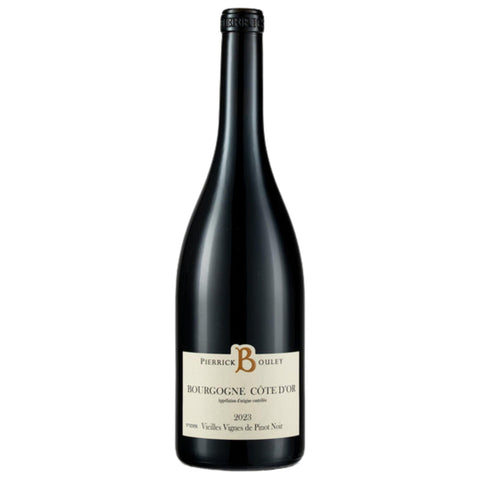
Bourgogne Cote d'Or Vieilles Vignes
From 60-year-old vines in parcels lying beneath Volnay and Pommard, this is regional Burgundy that punches well above its billing, and the value entry into the domaine.
“An exquisite perfume with greater density than the Passetoutgrains. Dark raspberry with floral overtones, excellent acidity, very good length here, a coming of age. Look out for this.” 91 points, Jasper Morris, Inside Burgundy
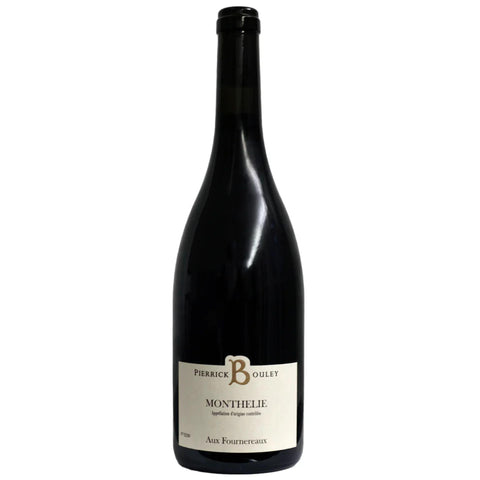
Monthelie 'Aux Fournereaux'
From the quiet village tucked between Volnay and Meursault, a fine-boned, classy village wine offering Volnay-like elegance at a gentler price.
“Light and refined on the nose, fine-boned and classy on the palate; don't expect excessive weight here, but the ripe red berry fruit continues very nicely through to the finish.” 91 points, Jasper Morris, Inside Burgundy
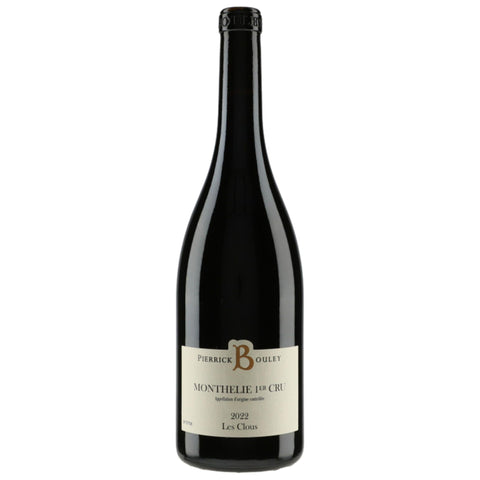
Monthelie 1er Cru 'Les Clous'
One of Monthelie's most respected premiers crus, and a clear step up in intensity and grip. Jasper Morris matched Burghound's score at 92 points.
“There is a liqueur-like quality to the nose of ripe and fresh black cherries and kirsch. Solid volume to the sleek, intense and tautly muscular middle weight flavors that also conclude in a dusty and balanced finale.” 92 points, Allen Meadows, Burghound
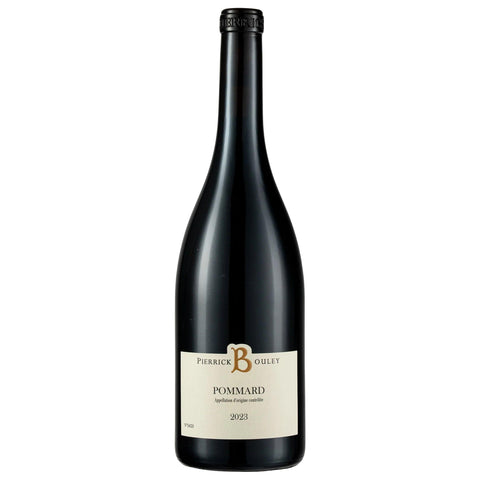
Pommard
Now just over a hectare across the Chaffaud and La Vache lieux-dits, this is the fuller, firmer counterpoint to the Volnays, with ripe, warm-vintage fruit and well-knit tannin.
“A rich mid purple with very attractively balanced ripe fruit, typical of warmer climate Pommard. Generous weight, still a tannin or two but well integrated, overall a little riper in style.” 92 points, Jasper Morris, Inside Burgundy
“A lovely, well-defined, quite floral bouquet... medium-bodied with slightly grainy tannins, fine grip, plenty of freshness and a touch of chalkiness on the finish. An admirable Pommard.” 91 points, Neal Martin, Vinous
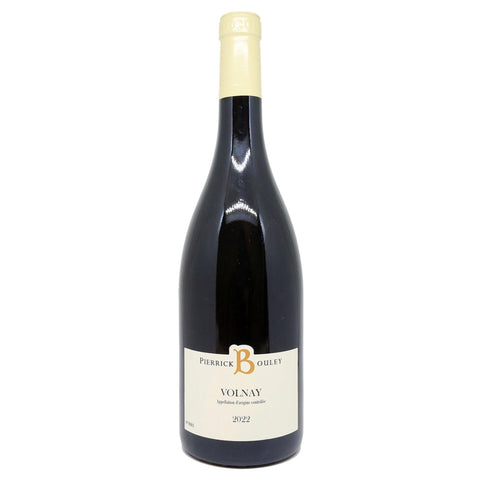
Volnay
Volnay is the heart of the domaine, and the village cuvee, drawn from 2.5 hectares over 13 parcels, is its calling card: silky, floral and beautifully balanced.
“The structure is silky, with well-managed tannins yet enough freshness to keep the wine dynamic on the palate... Despite the generosity of the vintage, Bouley kept yields to a modest 35hl/ha through green harvesting and severe sorting.” 93 points, Charles Curtis MW, Decanter
“Once again, the exquisite bouquet of this vintage chez Pierrick is on display. A fine balance between fruit and acidity, the tannins entirely refined, properly persistent.” 93 points, Jasper Morris, Inside Burgundy
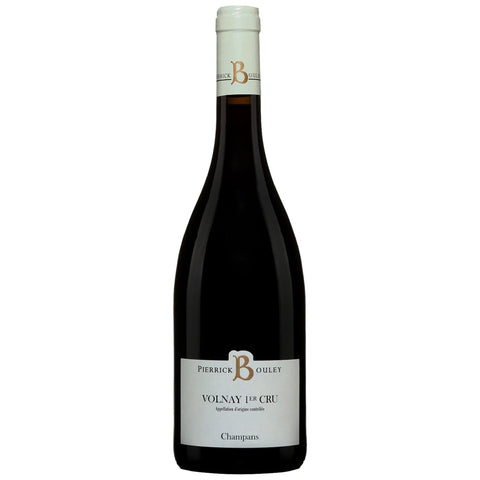
Volnay 1er Cru 'Champans'
One of Volnay's greatest premiers crus, and here all breadth and finesse at once. Curtis rates it head to head with the Clos des Chenes as the top wine in the cellar.
“The Champans is just a bit closed on the initial attack but opens up with a deep plum and blackberry fruit aroma with hints of peppery spice and a base note of dark chocolate. The wine feels massive on the palate but is not astringent or heavy. This wine is superb Volnay.” 94 points, Charles Curtis MW, Decanter
“Refined, vibrant and stony while exhibiting fine length... a wine that could be approached after only 5-ish years but should have no difficulty rewarding 10+ years of keeping.” 93 points, Allen Meadows, Burghound
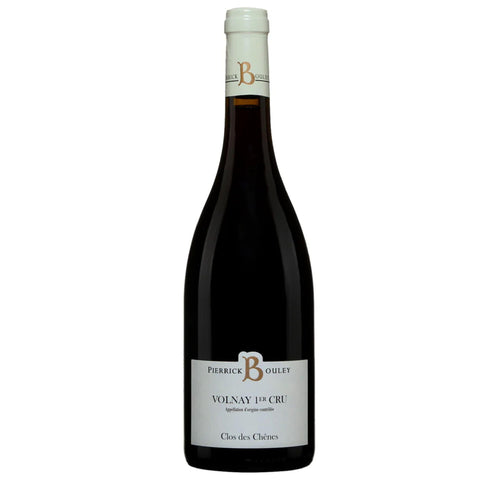
Volnay 1er Cru 'Clos des Chenes'
High on the slope on white marl, Clos des Chenes is among the most age-worthy sites in all of Volnay, and Bouley's 2023 is the most serious wine of his range. It is the bottle that earned a place on Curtis's top-scoring list, sitting alongside the Clos des Chenes of Michel Lafarge and the top wines of d'Angerville and Comtes Lafon.
“This is the best wine in this cellar, even better than the Santenots. It is not as voluptuous as the Champans (also a top selection), but it is more structured and straight; tannic and firm. There is a mix of red and black fruit, appreciably more tannin and structure, and a longer finish.” 95 points, Charles Curtis MW, Decanter
“There is a bit more size, weight and power to the detailed, sappy and mineral-driven larger-bodied flavors that conclude in a focused, serious, youthfully austere and very much built-to-age finale. Patience strongly suggested.” 94 points, Allen Meadows, Burghound
Why it matters
Rising star is an easy phrase to throw around, but the Decanter list gives it substance: on the evidence of 2023, some of the trade's most experienced palates now file Pierrick Bouley with the established names of Volnay and Pommard, in only his first certified-organic vintage. These are wines of finesse, freshness and real cellar potential, made by someone still on the way up rather than resting on a reputation. The range is available now as a pre-arrival allocation; the premiers crus, and the Clos des Chenes above all, are in very short supply.