Half-Full in 2022: Massolino Reads the Hardest Barolo Vintage in a Generation
Every so often a vintage arrives that refuses to be smoothed over, and 2022 is that vintage in Piedmont. Antonio Galloni, who has visited the region regularly for more than 25 years, calls it “one of the most complicated vintages I have seen.” The 2022 Barolos, in his words, are “frustratingly erratic, wildly inconsistent wines.” It is a rare public warning from a critic who spends most years talking up the Langhe, and it is worth taking seriously before you buy a single bottle.
The cause was weather, not winemaking. The season opened on the back of a dry 2021 and then went almost four months without meaningful rain or snow over the preceding winter. Heat and drought became the defining themes. Alberto Cordero di Montezemolo recorded just 300mm of rain from April to October, against 560–590mm in normal years, and called it the driest season in six or seven decades. Vines flowered early and then shut down: canopies that would normally climb to the third trellis wire struggled to reach the second, leaves yellowed prematurely, and clusters came in small, loose and thick-skinned. Growers dropped fruit, stopped stripping leaves, and in many cases hung netting as shadecloth to keep the sun off the grapes. Yields fell, in places by as much as a quarter.
What came out of the cellar, at its best, is genuinely appealing: lighter-framed, fresh, low on hard edges, and often charming to drink young. What it is not is uniform. “Site character is blurred,” Galloni writes; many wines are “very quiet, as if someone turned down the volume.” This is why the usual advice, to buy the producer and not the vintage, doesn’t quite hold in 2022. The wines vary even within a single grower’s cellar. It is, as Galloni puts it, “truly a wine-by-wine proposition.”
The estates that got it right, and why Massolino is one of them
If 2022 separates the diligent from the lucky, the interesting question is who came through it intact. Several of the region’s most careful families simplified: at G.B. Burlotto, Fabio Alessandria tasted through the lots with his family, decided the sites didn’t show their usual differences, and bottled a single Barolo instead of his range of crus. Vietti held back its Brunate, Cerequio and Villero. Blending and selection, not isolation, was the theme of the vintage.
Against that backdrop, Galloni singles out a short list of estates that did the opposite, turning out “superb wines across their entire ranges… some of their finest wines in recent memory.” The names are Elio Altare, Giacomo Conterno, Brovia, Einaudi and Massolino. That an estate could hold its whole cru lineup together in a year this fractured is the real story here, and it is consistent with how Galloni describes the house in calmer years: “among the estates I place at the top of Piedmont’s hierarchy because of the consistency of the wines across their entire range.”
Massolino’s Serralunga base is part of the answer. Old vines, limestone-rich soils that hold their nerve under stress, and a cellar that leans on large, neutral oak rather than heavy extraction are exactly the tools a hot, dry year rewards. The result is a set of 2022s that read as Massolino first and “warm vintage” second.
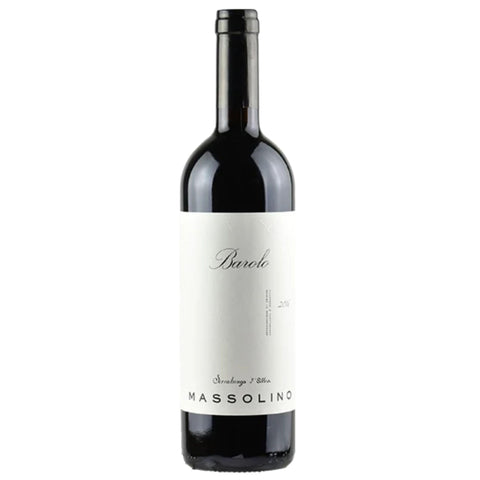
2022 Massolino Barolo
The classic Barolo, first made in 1911, draws on seven hectares of prime Serralunga fruit around the town (Briccolina, Collareto, Broglio, Le Turne), with a little Parussi and some declassified Vigna Rionda in the blend. In a vintage that flattened many entry wines, this is a model of what Massolino does: finesse over force, and remarkable value for a real Serralunga Barolo.
“A fine introduction to the Barolos in the range. Crushed flowers, bright acids, small red berry fruit and a kick of white pepper lend energy throughout. Medium in body, svelte and nuanced, the 2022 Barolo is a model of finesse. Its balance and overall appeal are commendable.” 91 points, Antonio Galloni, Vinous
“Lustrous and healthy ruby. Great lift and perfume on the nose with a subtle saline note. Finely polished tannins and supple raspberry fruit. Great length and precision. Ready now but will hold.” 17++, Walter Speller, JancisRobinson.com
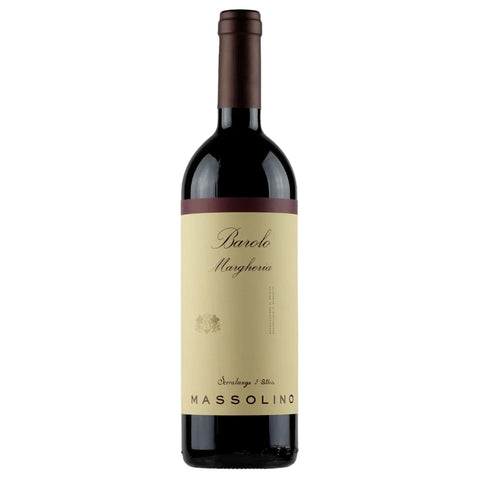
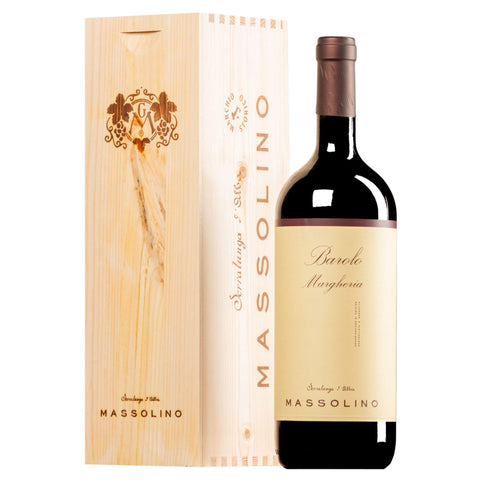
2022 Massolino Barolo Margheria
From a 1.5-hectare parcel the family has held since 1964, Margheria is the pretty, mineral face of Serralunga: chalky, sandy soils with high calcium carbonate that Massolino likes to call as Chambolle-like as Barolo gets. Fermented and aged in large casks only.
“Laced with dark red fruit, iron, mint, white pepper, slate and dried herbs. As always, the Margheria presents a decidedly savory, mineral-driven side of Barolo and Serralunga. Beams of tannin kick up the mid-palate through to the long, sustained finish. There are no hard edges or awkward contours here.” 93 points, Antonio Galloni, Vinous
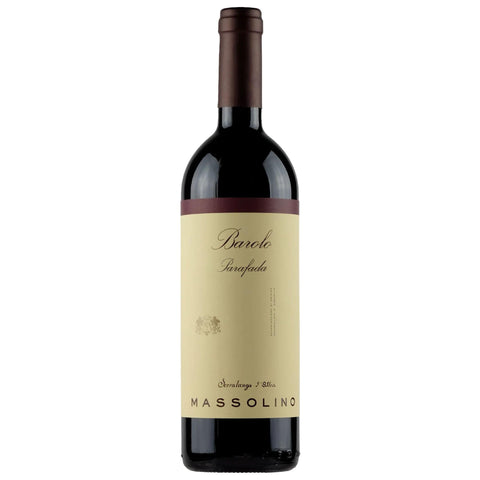
2022 Massolino Barolo Parafada
Planted in 1957, Parafada holds the estate’s oldest vines on a steep, due-south slope of dense clay-marl-lime. Normally the cru that most needs cellaring; in 2022 the old vines gave it a breadth and generosity that is rare for the year.
“A sensual, open-knit wine. Sweet red cherry, cedar, pipe tobacco and mint open with some coaxing. The Parafada is distinguished by its soft contours and exceptional balance within the context of the year. Older vines confer notable breadth, which builds through to the expansive, resonant finish.” 94 points, Antonio Galloni, Vinous
2022 Massolino Barolo Parussi: the wine of the vintage at Massolino
The one cru that sits outside Serralunga, “the egg outside the nest,” Parussi lies just over the Castiglione Falletto line on iron-rich Sant’Agata marls, with vines close to 60 years old. In a year defined by wines that whispered, this one speaks up. It is, in Galloni’s judgement, the standout of the estate’s 2022 release.
“The 2022 Barolo Parussi is fabulous. It’s the wine of the vintage at Massolino. Rich red/purplish-toned fruit, dried flowers, herbs, rose petal, white pepper and mint soar from the glass. The Parussi possesses uncommon depth and textural presence, exceedingly rare in 2022. More than anything else, Massolino’s Parussi shows what was possible in this difficult vintage. This was the last fruit harvested.” 96 points, Antonio Galloni, Vinous
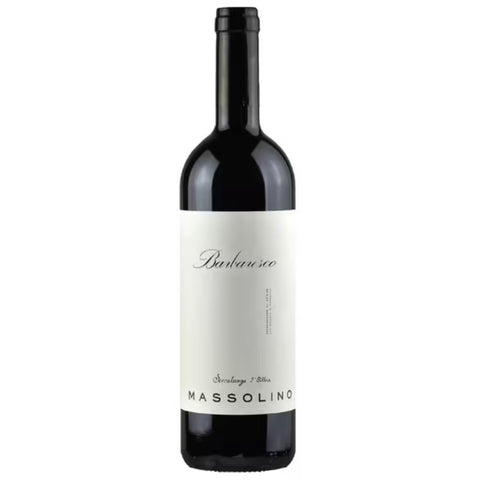
A firmer follow-up: 2023 Barbaresco
If 2022 was a year of sacrifice, 2023 reads as a partial recovery. The season ran longer and more variably (wetter through spring, with disease pressure and some hail), but that longer cycle allowed more even ripening. Early tastings show more structure than 2022, with better-defined, sweeter tannins and a more classical frame, while still drinking with real charm young.
Massolino has made Barbaresco only since 2019, from vines in Neive. The classico co-ferments three parcels: Albesani, Serraboella (the bulk of the blend) and Starderi, then ages 18 months in large Slavonian oak.
“A blend of fruit from Albesani, Starderi and Serraboella, all co-fermented. Soft contours wrap around a core of red/purplish fruit, rose petal, blood orange, cinnamon and mint. This sensual, layered Barbaresco is inviting from the very first taste.” 93 points, Antonio Galloni, Vinous
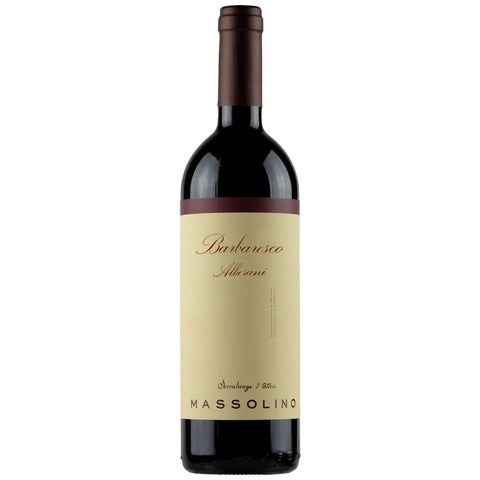
2023 Massolino Barbaresco Albesani
One of Barbaresco’s revered crus, Albesani comes here from just 0.6 hectares at the top of the hill: the poorest blue-marl soils, the oldest vines. Massolino read the warm year with a lighter hand, fermenting cooler to hold the fruit fresh, and the result is elegance rather than the site’s usual breadth.
“The 2023 Barbaresco Albesani soars from the glass with floral top notes, citrus nuances and red-toned fruit. A wine of elegance and sophistication… A relatively light extraction brings out the more refined side of Albesani, a site where the wines are often bigger and broader. Red cherry/plum fruit, blood orange, cinnamon, rose petal, crushed rocks and mint are beautifully delineated.” 95 points, Antonio Galloni, Vinous
“A gorgeous intensity of raspberry and pomegranate is nuanced by warm, sunbaked earth… Grainy, tactile but polished tannins start upfront, making a linear progression. Graceful rather than forceful in character, it’s savoury and tangy to the finish, and almost ready to open.” 93 points, Michaela Morris, Decanter
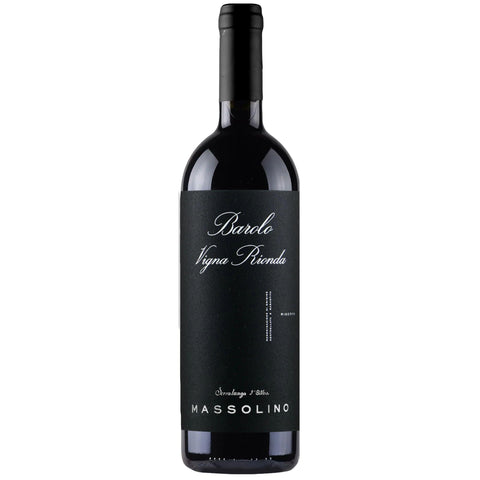
The top note: 2020 Vigna Rionda Etichetta Nera Riserva
If the 2022s are about drinking well now, the wine at the summit of this release is about the long haul, and it comes from a very different year. Vigna Rionda is the cru most closely tied to the Massolino name; the family are its largest owners, at 3.5 hectares farmed since 1956, on the limestone-heavy Lequio soils that are the oldest in Barolo. Only about a third of the potential volume is ever bottled under the label; the rest is declassified into the straight Barolo.
What makes this bottle unusual is the label itself. The Etichetta Nera, the Black Label, is reserved for only the greatest Rionda vintages, and the 2020 is only the second ever made. The first was the 2016. Released as a Riserva with a minimum of six years’ age, fermented and aged in large botti, it is a pure, perfumed, classically built Vigna Rionda, all crushed cherry, bay leaf and dried flowers over a fleshy, powdery palate, already approachable but with the length and structure to run for decades.
98 points, Antonio Galloni, Vinous
Just 120 bottles were shipped to Australia.
How to read the release
2022 is a vintage to buy on names you trust, and Massolino is one of the few that earned that trust across its whole range this year, with wines to enjoy over the next decade rather than lay down for thirty. The 2023 Barbarescos offer a firmer, more structured counterpoint. And the 2020 Vigna Rionda Etichetta Nera is the cellar wine of the group, a rare Black Label built to age. The full lineup is available now as a pre-arrival allocation on our Massolino collection page; quantities on the crus and especially the Riserva are strictly limited.